Spring Flower: A Seasonal Embroidery Design Review
First Impressions: Fresh, Uplifting, and Ready for Spring
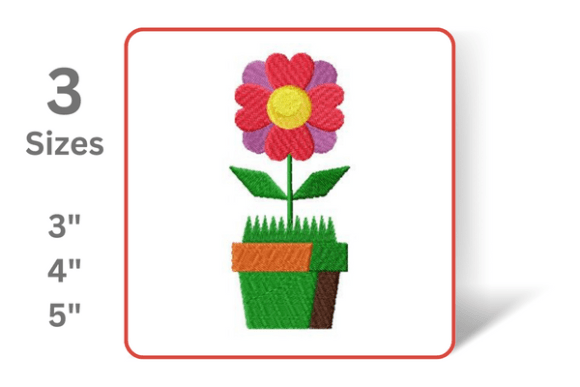
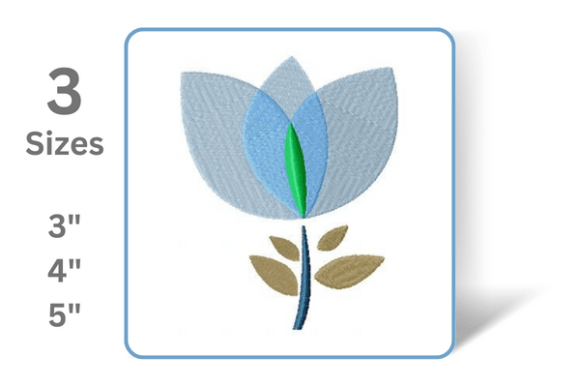
As an embroidery designer who’s curated seasonal collections for over twelve years, my first glance at Spring Flower delivers exactly what the name promises: a burst of gentle optimism. This isn’t a fussy botanical illustration or an overly stylized motif—it strikes a balanced tone between elegant simplicity and cheerful charm. The design reads as playful yet refined, with soft petal curves and open center detail that feels both nostalgic and quietly modern. It leans into spring’s emotional resonance—renewal, warmth, quiet joy—not holiday fanfare, which makes it uniquely versatile across early-season celebrations: Easter brunches, Mother’s Day gifting, baby showers, garden parties, and even gentle spiritual observances.
Real-World Holiday & Seasonal Use Cases
Spring Flower shines brightest when treated as a multi-context seasonal embroidery—not just a single-use motif. Here’s how it performs where it matters most:
- Sweatshirt embroidery: Works beautifully on crewnecks and raglans—especially in tonal pastels or crisp white thread on oatmeal or sage fabric. Its moderate scale and clean outlines prevent “muddying” on textured knits.
- Tote bag design: Stitches crisply on canvas and linen blends. Paired with minimalist typography (“Grow Joy”, “Bloom Together”), it elevates everyday carry into a handmade gift with intention.
- Kitchen towel embroidery: Ideal for top-corner placement on flour-sack or waffle-weave towels. Its light density avoids stiffness while retaining visual impact after repeated washing.
- Pillow cover & table linen accents: Adds subtle sophistication to neutral linens. When stitched in matte cotton thread, it reads as heirloom-quality—not craft-store filler.
- Embroidered patch: Easily digitized for iron-on or sew-on versions. Perfect for limited-edition aprons, denim jackets, or kids’ backpacks sold as family matching sets.
- Ornaments & baby items: Scales down cleanly for 3–4" hoops. On organic cotton onesies or muslin ornaments, it conveys tenderness without overwhelming delicate fabric texture.
Where to Use Spring Flower Thoughtfully
This is not a “set-and-forget” machine embroidery design—and that’s a strength, not a limitation. To protect your reputation as an Etsy seller or small shop product creator, consider these practical boundaries:
- Avoid ultra-small hoop sizes (<4") unless you’ve tested stitch integrity—petal definition can blur below 3.5".
- Don’t force dense metallic thread through fine centers or layered petals; opt for rayon or high-sheen polyester for clarity and durability.
- Dark fabric demands contrast testing: Run samples on black or navy twill with off-white, pale gold, or mint thread—not just standard ecru.
- Stretchy garments (like ribbed knits) require cutaway stabilizer + basting spray—Spring Flower’s open shapes won’t self-support on unstable bases.
- Thick terry cloth (bath towels) needs extra hooping care and possibly reduced underlay; test before bulk production.
- Curved surfaces (caps, mugs with wrap-around mockups) aren’t ideal—this design assumes flat or gently contoured fabric.
Why Spring Flower Builds Trust & Drives Holiday Sales
In the crowded seasonal marketplace, buyers don’t just buy flowers—they buy feeling. Spring Flower delivers consistent emotional resonance: calm, hopeful, grounded. That translates directly to customer trust. When shoppers see it on your Etsy listing beside phrases like “hand-stitched in Maine” or “designed for slow living”, it reinforces authenticity—not algorithm-driven trend-chasing.
For social media previews and printable mockups, its clean silhouette renders beautifully at thumbnail size. No lost detail in Instagram grids or Pinterest pins. And because it belongs to the Single Flowers category—not cluttered bouquets or busy borders—it scales elegantly across product types without visual fatigue. That consistency strengthens brand recognition across your holiday collection, whether you’re selling embroidered patches alongside kitchen towels or bundling pillow covers with handwritten gift tags.
Most importantly, Spring Flower supports giftability. Its neutral-but-warm tone appeals across generations: teens appreciate its understated style on totes; grandparents love it on tea towels; new parents choose it for nursery decor. That cross-demographic appeal means fewer returns, more five-star reviews, and repeat customers who return each March asking, “Is the Spring Flower collection live yet?”
Designer Notes You Can’t Skip
Before adding Spring Flower to your seasonal embroidery lineup, take these actionable steps:
- Test thread colors on both light and dark fabric—a single hue behaves differently on ivory linen vs. charcoal denim.
- Check stitch density against your machine’s recommended max for your chosen fabric weight—especially for kitchen towel embroidery or baby items.
- Confirm hoop size compatibility with your most-used frames (e.g., 4x4", 5x7"). Don’t assume scalability—verify actual file dimensions.
- Use appropriate stabilizer: tear-away for stable wovens, cutaway for knits, and water-soluble for sheer layers.
- Create realistic mockups—not just digital renders, but stitched samples on final fabrics. Lighting, drape, and thread sheen change everything.
- Review small details post-stitch: petal tips, center definition, and edge smoothness—these are your quality signatures.
- Plan cohesive color palettes across products: e.g., mint + clay + oatmeal threads unify sweatshirts, totes, and pillow covers in one bundle.
- Verify commercial licensing before selling finished products—this is essential for Etsy sellers and wholesale partners using the digital embroidery file.
When thoughtfully executed, Spring Flower isn’t just another embroidery file—it’s a quiet anchor for your seasonal storytelling, a trusted element your customers recognize, reach for, and remember long after the season ends.