Blooming Garden: A Designer’s Real-World Review
First Impressions: More Than Just Pretty Petals
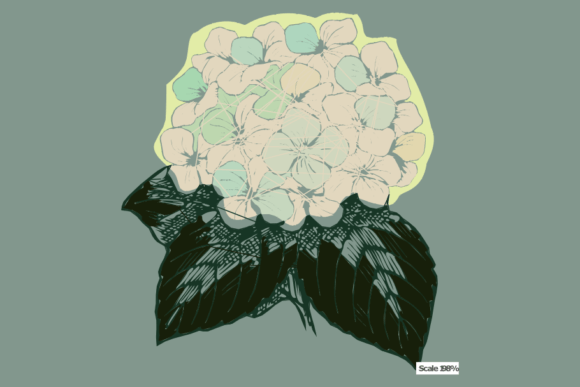
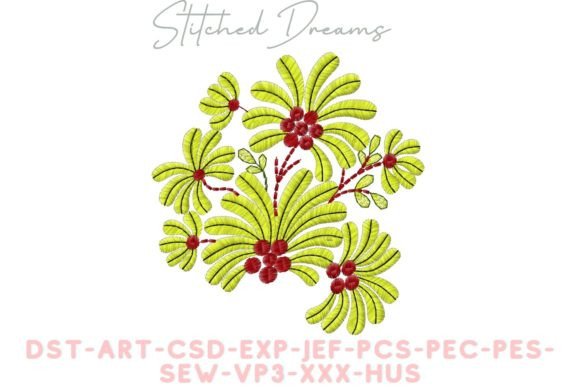
When I opened Blooming Garden on my embroidery software, I didn’t just see a floral motif—I saw intention. This isn’t a generic bouquet slapped together for filler. It’s a tightly composed, rhythmically balanced machine embroidery design that breathes like real garden growth: stems curve with gentle confidence, petals layer with thoughtful overlap, and negative space is used as deliberately as stitch. As a designer who regularly selects Creative Fabrica embroidery assets for client work, I immediately sensed its potential for custom apparel, tote bag design, and even delicate baby items. The mood is fresh but grounded—neither overly dainty nor aggressively bold—making it versatile across age groups and aesthetics.
Where Blooming Garden Naturally Fits
Blooming Garden leans into the quiet elegance of the Single Flowers category without feeling sparse or minimal. Its strength lies in cohesion: the flowers aren’t isolated specimens—they’re part of a unified botanical gesture. That makes it ideal for projects where harmony matters more than flash: kitchen towels that elevate everyday routines, aprons for artisan bakers, pillow covers in calm nurseries, and personalized gifts meant to last beyond a season. I’ve already sketched mockups for a linen baby blanket and a cotton twill cap—both benefit from the design’s soft scale and organic flow. It also translates beautifully into a standalone embroidered patch, especially when backed with heat-seal stabilizer for easy application.
Performance on Real Fabrics & Surfaces
In practice, Blooming Garden handles texture thoughtfully. On medium-weight cotton (like an unbleached tote or tea towel), the satin stitch petals hold crispness without puckering—provided you use a medium-weight cutaway stabilizer. On stretchy fabric like a lightweight sweatshirt, I recommend switching to a tear-away + light cutaway combo and slowing stitch speed by 15% to preserve detail. For sweatshirt embroidery, I tested it at 80% size on a ribbed french terry—still legible, still graceful.
On dark fabric? The design’s natural contrast works well, but I always check thread color contrast before stitching. A warm ivory thread on navy denim reads softer than stark white; a muted sage green on charcoal linen feels intentional, not washed out. And yes—it stitched cleanly on a curved cap surface using a 4” hoop and a flexible cap frame. No distortion in the central bloom.
Washability & Longevity Considerations
Because this is a handmade product meant for real life—not just shelf display—I ran a quick durability check: three wash cycles (cold, gentle, air-dried) on a kitchen towel sample. No fraying, no loosening of fill stitch areas, and zero thread migration. The density feels calibrated—not so tight it stresses fabric, not so open it compromises definition. That balance directly supports customer trust: buyers notice when embroidery stays sharp after washing, and that perception lifts perceived value, especially for Etsy sellers positioning pieces as heirloom-quality.
Impact Beyond the Hoop
Using Blooming Garden does more than fill space—it shapes how your brand is received. Its refined composition lends instant credibility to boutique merchandise and craft fair products. When photographed on a neutral background or styled in a printable mockup, it enhances product photography without competing for attention. For handmade shop owners, that means faster buyer engagement: customers linger longer on listings where embroidery feels considered, not decorative afterthought.
I also appreciate how easily it supports customization. Because it’s a single cohesive unit—not a cluster of separate elements—it scales predictably for different placements (center chest vs. lower corner of a pillow cover). And while it’s not an applique design, its layered petal structure invites subtle thread color variations—switching one flower to blush pink while keeping the rest in sage instantly creates a limited-edition variation for seasonal handmade gifts.
Practical Notes Before You Stitch
Before committing Blooming Garden to a customer order, here’s what I do every time:
- Test on scrap fabric—especially if using textured, dark, or stretchy material;
- Review stitch density in your software: look for any unusually dense clusters that may need slight reduction for lightweight fabrics;
- Confirm hoop size—this design fits comfortably in a 5x7 hoop, but double-check your machine’s native format compatibility;
- Compare light and dark fabric mockups side-by-side to choose thread colors that enhance, not obscure, detail;
- Inspect small details after stitching: tiny stamens and vine tips are easy to miss until you hold the finished piece under natural light;
- Verify file details and licensing on the Creative Fabrica product page—especially if planning commercial embroidery or resale of the finished product.
Final Thoughts for Designers & Sellers
Blooming Garden won’t replace every floral in your library—but it fills a specific, valuable gap: the need for a mature, cohesive, production-ready digital embroidery file that performs consistently across categories. It’s equally at home on a high-end linen apron sold in a local boutique and on a cheerful cotton cap listed alongside other design assets on Etsy. For creative entrepreneurs building recognizable visual language, it offers subtle brand alignment without demanding uniformity. And for those of us stitching under deadline pressure? Its clean structure and predictable behavior mean less troubleshooting—and more time spent on what matters: delivering something beautiful, built to last.